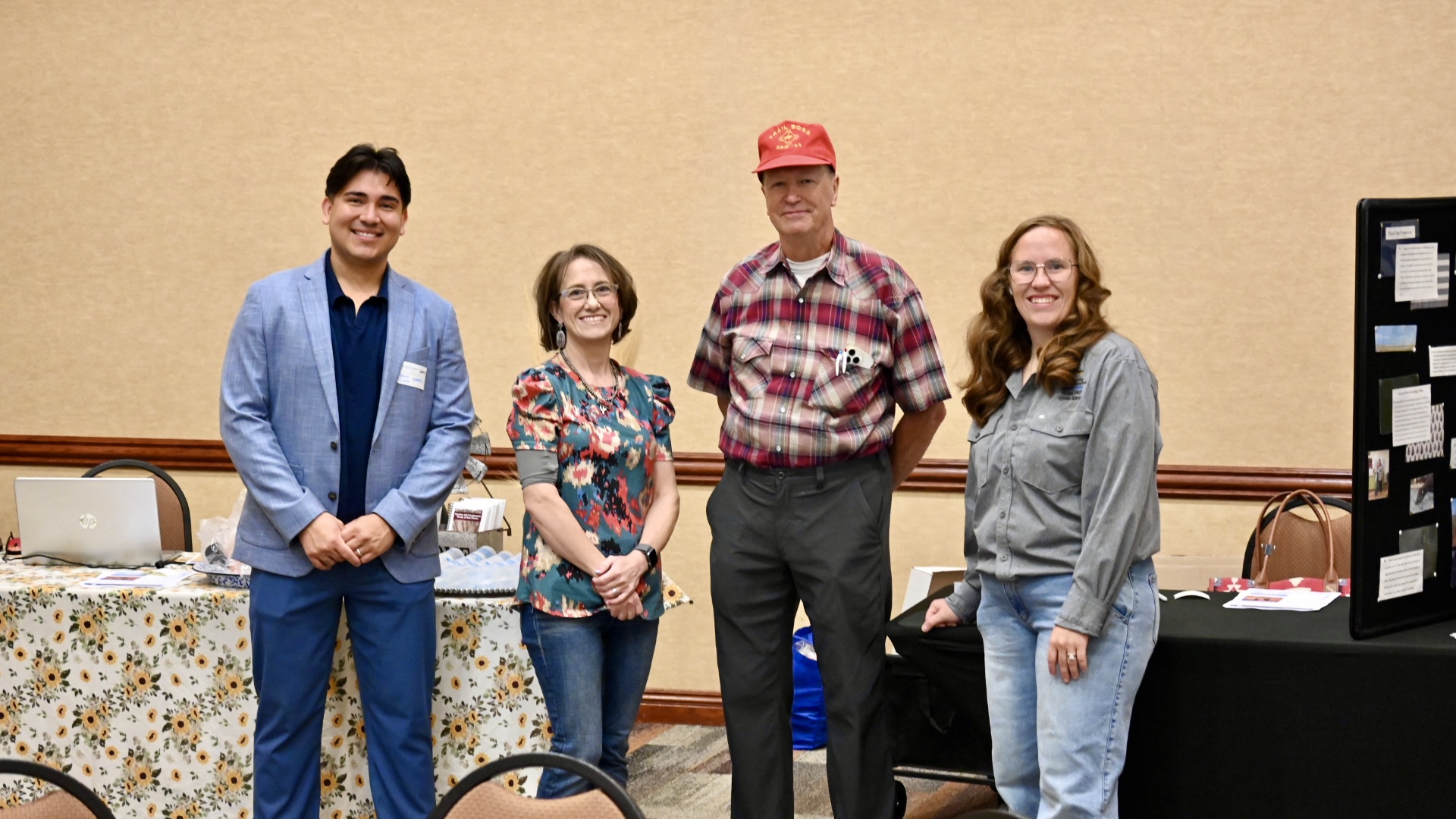
Marco Lueras, coordinator of the Eastern New Mexico Sentinel Landscape, has a way of reducing complicated ideas to simple truths.
Ask him about water in eastern New Mexico, and he’ll smile before repeating an old Western saying.
“Whiskey is for drinking and water is for fighting.”
The line usually gets a laugh. Then people think about it.
Across the American West, water sustains communities, agriculture, ecosystems and local economies. In eastern New Mexico, that lifeline is the Ogallala Aquifer. Farms, ranches, rural communities and Cannon Air Force Base all depend on it, yet the aquifer is being pumped far faster than it can naturally recharge. As groundwater levels decline, the future of agriculture and military readiness becomes inseparable.
Protecting the Ogallala Aquifer requires organizations with different missions to recognize they share responsibility for the same landscape. That includes Cannon Air Force Base (AFB) and neighboring Melrose Air Force Range, where the 27th Special Operations Wing relies on surrounding farms and ranches to preserve the open working lands needed for training while helping protect the aquifer that sustains both the military and neighboring communities.
Today, Lueras coordinates the Eastern New Mexico Sentinel Landscape, an initiative of the U.S. Departments of Agriculture, Defense and the Interior that encourages voluntary partnerships among local, state and federal organizations to support agriculture, conserve natural resources and strengthen military readiness.
Designated in 2024, the Eastern New Mexico Sentinel Landscape spans more than 2.4 million acres across all of Curry County and portions of Roosevelt and Quay counties. Its foundation reaches back to discussions initiated in 2012 between Cannon Air Force Base and community partners regarding groundwater security and the installation’s long-term mission.
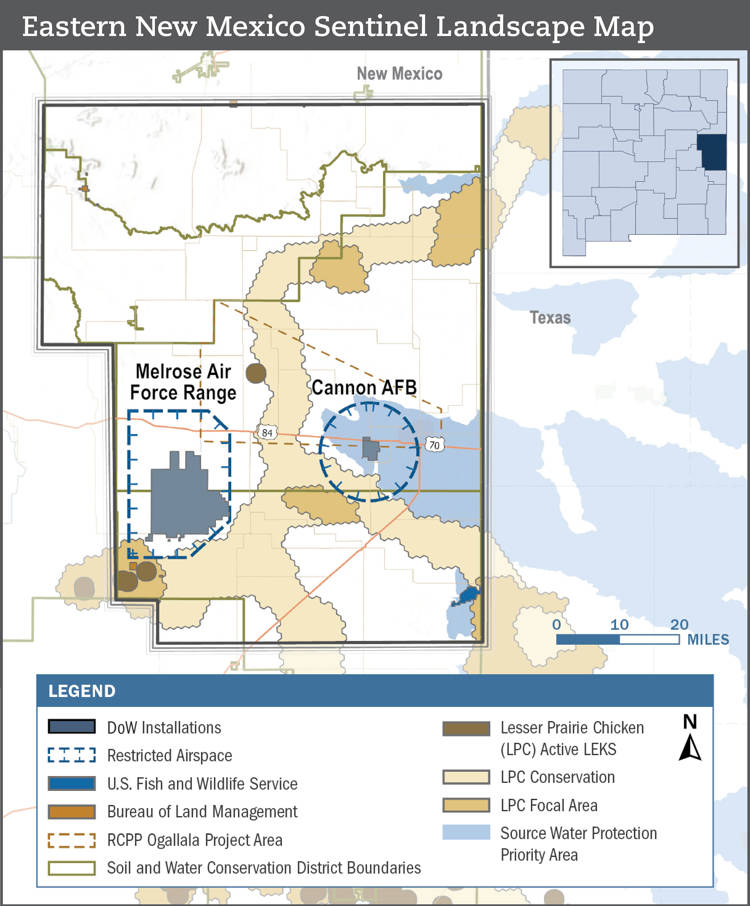
Those efforts continued through subsequent regional water-planning and conservation initiatives involving Cannon AFB, Central Curry Soil and Water Conservation District, the New Mexico Association of Conservation Districts, Ogallala Land & Water Conservancy, the New Mexico Bureau of Geology and Mineral Resources, the City of Clovis, Curry County, agricultural producers, and many other conservation, community, state, and federal organizations working to address declining groundwater supplies.
The Cannon AFB Readiness and Environmental Protection Integration (REPI) project, a Department of Defense program that supports cooperative efforts to protect military readiness and conserve working lands, began in 2021. Drawing on years of collaboration, this project became a transformational catalyst that strengthened existing partnerships, accelerated implementation of shared groundwater conservation objectives, and helped protect the aquifer that supplies water to Cannon Air Force Base and surrounding communities.
The 2024 Sentinel Landscape designation expanded those undertakings, giving local partners a way to coordinate expertise, leverage funding and target conservation investments that support military readiness, sustain agriculture and conserve natural resources while keeping participation voluntary and conservation decisions in local hands.
The designation did not create new conservation programs. Instead, it enabled conservation districts and their partners to coordinate priorities, leverage resources and pursue opportunities beyond the reach of any single organization. Conservation districts helped producers address resource concerns, while the New Mexico Department of Agriculture connected communities with state and federal resources and kept local priorities at the center of planning. Cannon Air Force Base likewise recognized that conserving the surrounding landscape strengthened military readiness.
Ask Lueras what makes that partnership work, and he doesn’t begin with funding, policy or federal programs. He begins with relationships.
“Relationships undergird everything that is Sentinel Landscapes,” Lueras said. “It is truly about … advancing work toward shared resource concerns.”
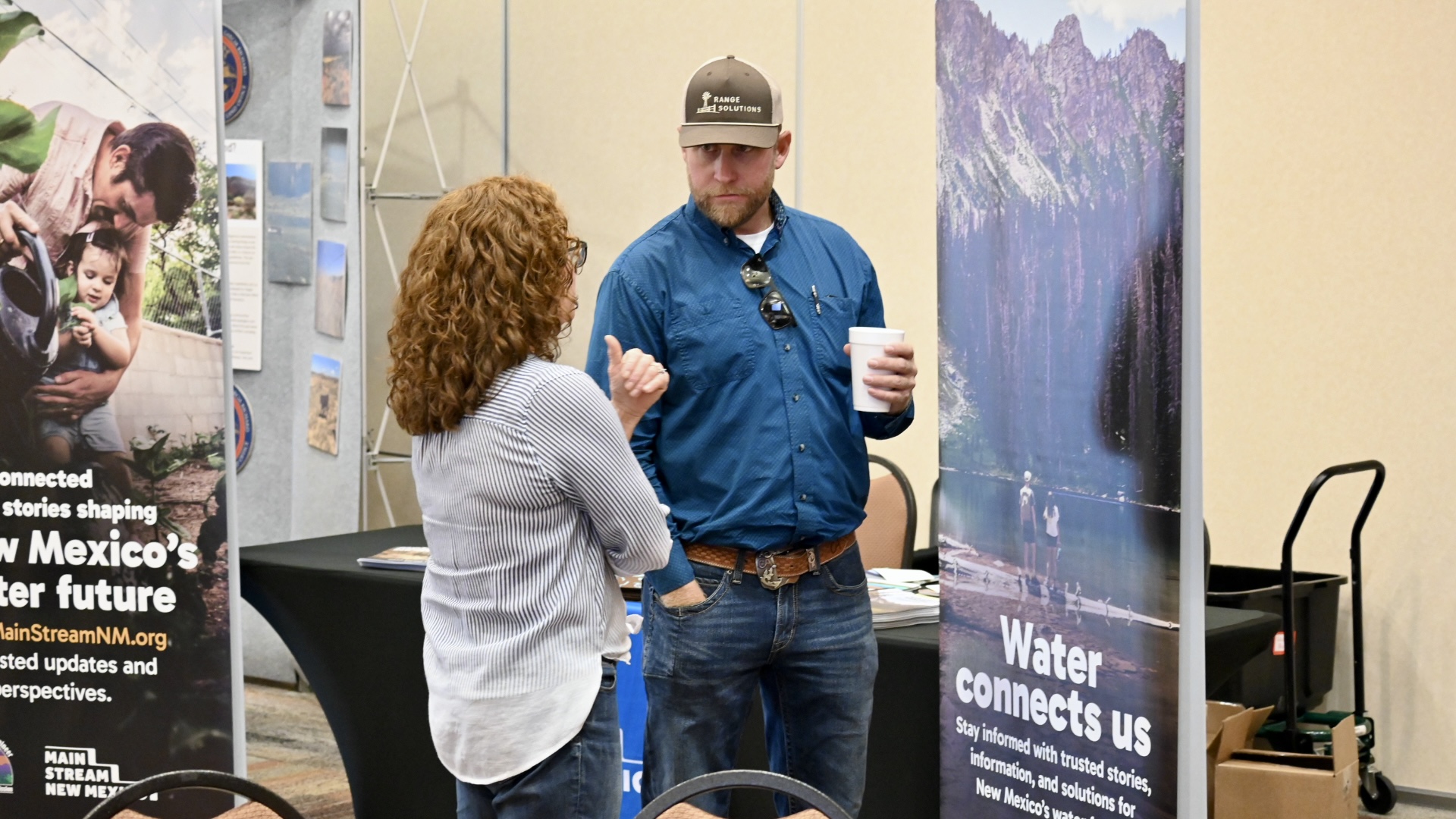
Despite their different missions, the partners gradually realized they faced the same challenge.
“The common thread was water,” Lueras said. “Water is the most important issue for this region right now.”
Recognizing a common problem did not automatically create a partnership. The Sentinel Landscape provided a way to coordinate efforts, but turning that understanding into collective action still required patience, credibility and clear communication.
Building trust among partners became one of Miles Mitchell’s primary responsibilities. As district specialist with the New Mexico Department of Agriculture and a member of the Eastern New Mexico Sentinel Landscape Steering Committee, Mitchell works with conservation districts, agencies, producers and military partners to explain available programs, identify conservation opportunities and strengthen regional partnerships.
“There were a lot of questions about Sentinel Landscapes,” he recalled. “It took time to explain the different programs, priorities and timelines.”
Much of the skepticism centered on local control. Lueras recalled that the Southwest Quay Soil and Water Conservation District initially opposed the Sentinel Landscape because many producers believed it would eventually lead to permanent conservation easements or reduced local control over private property. In reality, Sentinel Landscapes neither require conservation easements nor create new regulatory authority.
Conservation leaders spent months meeting with local officials, sharing meals with landowners and listening to their concerns before answering questions. As they explained how the partnership worked, they earned support. Eventually, Southwest Quay became one of the partnership’s strongest local champions.
“Communication is key,” Mitchell said. “Get ahead of the curve. Make sure people understand what the Sentinel Landscape is trying to accomplish.”
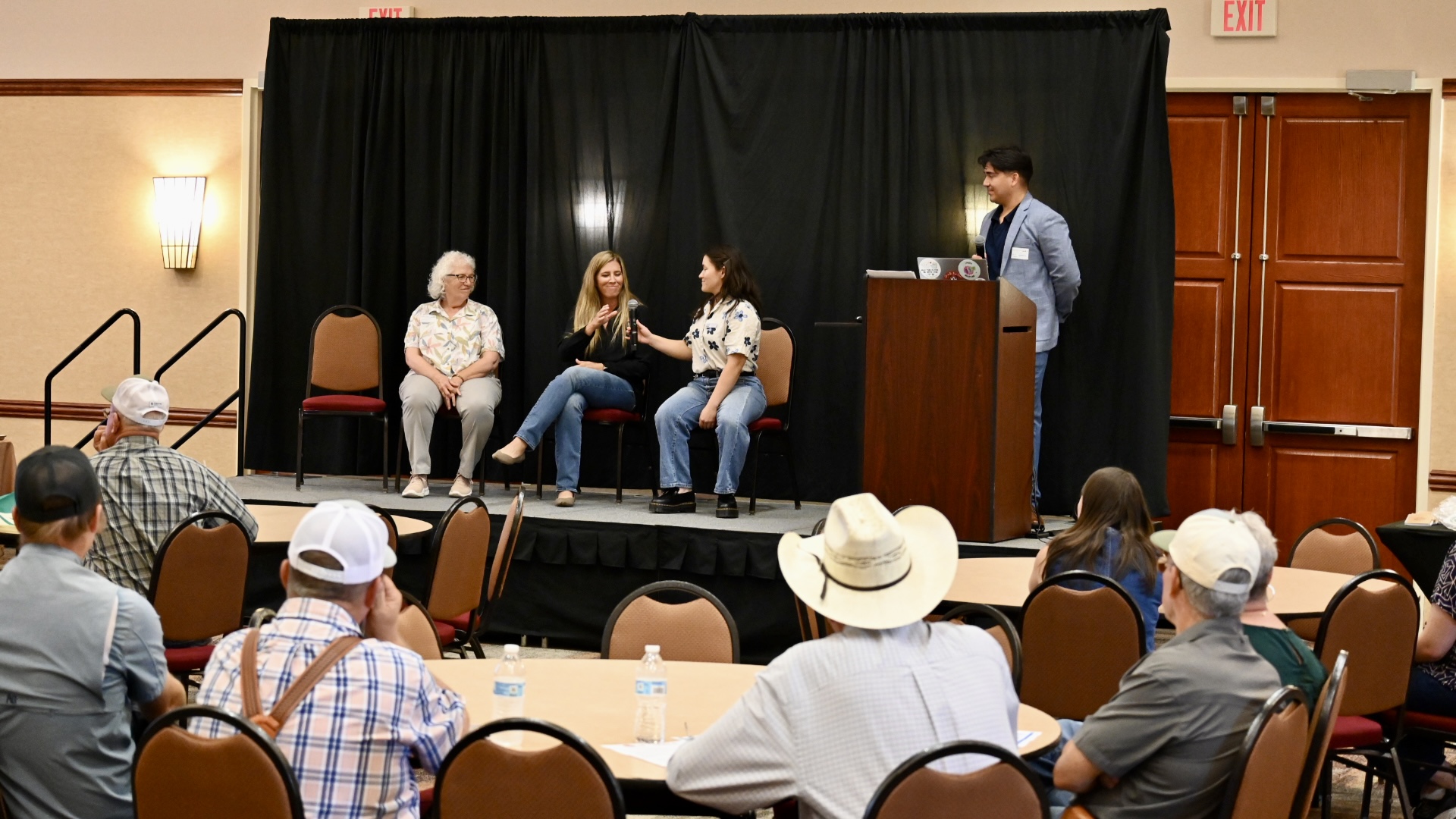
Those conversations changed more than perceptions. They transformed relationships into action. Partners coordinated expertise, identified shared priorities and pursued complementary funding while keeping participation voluntary and decisions in local hands.
As trust grew, cooperation among conservation districts, producers and the Department of Defense often strengthened grant proposals, built local support and improved partners’ ability to compete for conservation resources.
“We’re not creating new money,” Mitchell explained. “We’re aligning existing resources and demonstrating a regional commitment.”
The results of that collaboration are becoming visible across eastern New Mexico. One example is the coordinated effort to protect the Ogallala Aquifer. Together, conservation districts, the New Mexico Bureau of Geology and Mineral Resources, the Ogallala Land and Water Conservancy, Cannon Air Force Base and federal partners use local hydrologic data to identify priority recharge areas, coordinate funding and technical assistance, and connect willing landowners with voluntary conservation opportunities that help safeguard the aquifer while keeping working lands productive.
The Ogallala Land and Water Conservancy works directly with landowners who voluntarily enter water-right lease agreements in targeted recharge areas, many of which include playa wetlands that naturally recharge the aquifer.
Under these agreements, irrigation groundwater withdrawals are retired, while keeping the land in private ownership and productive through dryland farming, grazing, or native grassland management in areas where groundwater conservation can provide the greatest benefit. The Sentinel Landscape expanded the reach of relationships conservation districts had built over decades within their communities. As district manager of the Southwest Quay Soil and Water Conservation District, Lynnae Abarca has watched organizations that once worked independently begin coordinating around shared priorities. She said regular discussions have helped partners better understand one another’s programs and identify new opportunities to address common natural resource concerns.
“For our district and community, it has created a stronger regional voice for conservation and increased awareness of funding and partnership opportunities that can help producers address resource concerns while maintaining productive working lands,” Abarca said.
That local credibility remains one of the Sentinel Landscape’s greatest strengths. Because conservation district staff understand local operations and resource concerns, they are often the first call producers make when seeking conservation assistance. Rather than replacing those relationships, the Sentinel Landscape connects producers to a broader network of resources and expertise while keeping conservation voluntary and locally driven. Those trusted local relationships extend far beyond conservation districts. Producers, Cannon Air Force Base, state and federal agencies, conservation organizations and the communities that depend on the same landscape all share in their value.
Reflecting on years of partnership building across eastern New Mexico, Lueras believes those investments in trust are as valuable as any conservation project. He calls it “collaboration capital”—an asset that grows stronger every time people invest in one another.
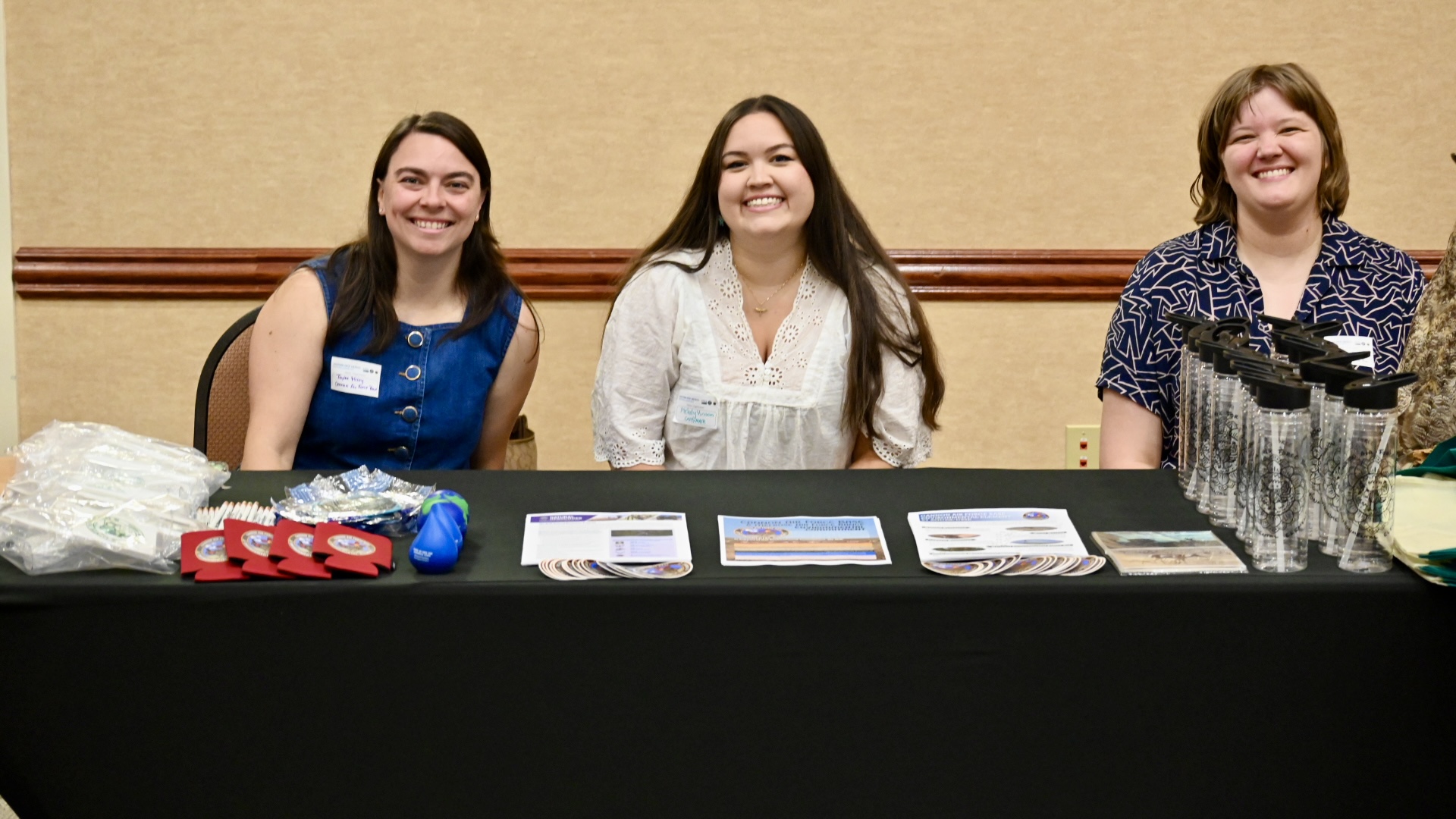
When asked what success might look like five years from now, Lueras looked beyond acres conserved and dollars invested. He returned to the same idea that had shaped the partnership from the beginning.
“Being open and curious is always going to lead to unconventional outcomes,” he said.
That openness, Lueras believes, is what allows unlikely partners to discover common ground.
In eastern New Mexico, water gave partners a reason to come to the table. The Sentinel Landscape gave them a new way to work together. It did not create those partnerships. Instead, it strengthened and accelerated relationships that had been developing for years through local leadership, shared groundwater stewardship and voluntary conservation. Ultimately, that collaboration capital could prove to be the Sentinel Landscape’s most enduring legacy.