
Kendria Ray
Executive Director
Texas State Soil & Water Conservation Board
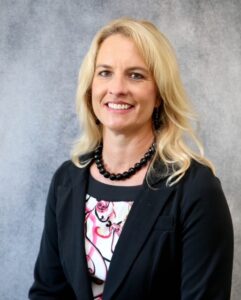
My Bio: I grew up on a farm in central Texas, the youngest of seven children. We raised cattle, hay, and produce. I graduated from Tarleton State University with a B.S. in Agricultural Services & Development and an M.S. in Agricultural Education. The timing of my graduation did not coincide with schools hiring ag teachers, so I went to work for a Soil & Water Conservation District under a Section 319 Clean Water Act grant, one of the first grants of its type in Texas. My objective was to write conservation plans for dairy farms in an impaired watershed.
I worked for the SWCD for about three years before the TSSWCB had a job opening for a Field Representative. I was hired and served as a Field Representative for 25 years. I worked in southeast Texas for 10 years before transferring to southwest Texas, where I spent the next 15 years. I have had the privilege of working directly with 43 of Texas’ 216 SWCDs during my career. I know a thing or two about SWCDs, and there isn’t much I haven’t seen at an SWCD meeting. I maintain that district directors are some of the best people I have ever met, and I thoroughly enjoy my job. Getting to work with farmers and ranchers is wonderful.
On June 1, I became Executive Director of the Texas State Soil & Water Conservation Board, following the retirement of Rex Isom, who served as our executive director for 23 years. I still meet with 10 SWCDs and think it is extremely important to maintain contact at the local level.
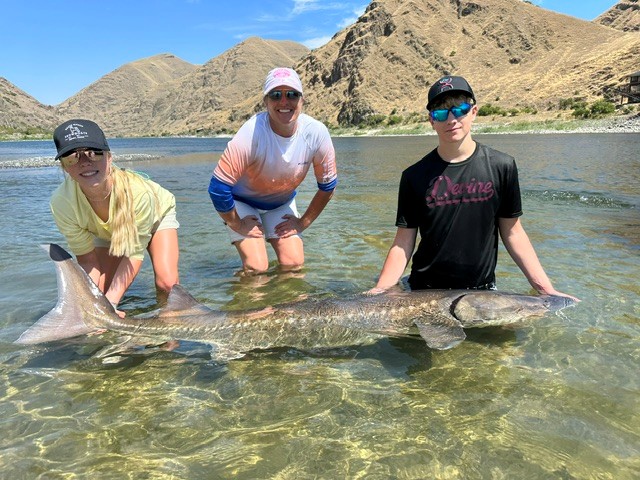
My husband, Keith, and I have been married for 23 years and have two children. He is a wildlife management consultant and owns his own business. Our son just graduated from high school and will be attending college this fall, and our daughter is a junior in high school. We enjoy hunting, fishing, and spending time outdoors. We continue to raise hay and help on the family farm.
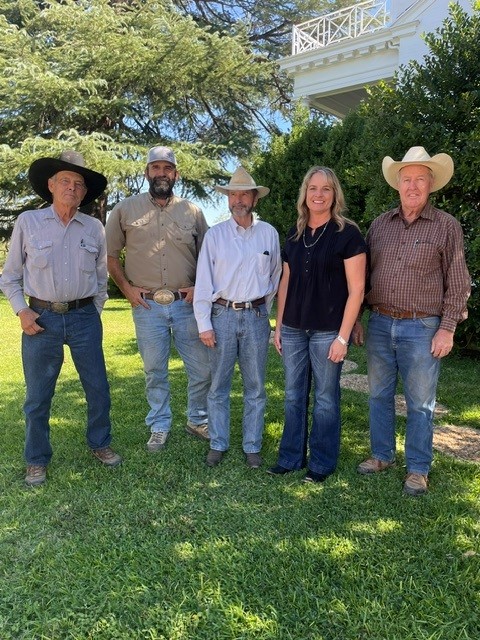
The best advice someone gave me early in my career was to work hard, stay focused, and be honest.
It is important to get involved in professional organizations because networking with others who are dealing with some of the same issues often provides useful solutions and new ideas. Sharing ideas and information is invaluable, and professional organizations provide those opportunities.
My biggest supporter when I first started in conservation was Don Brandenberger, the Field Representative working with the SWCD where I worked. He encouraged me while I was working for the SWCD to encourage dairy farmers to sign up for conservation plans. Once I was hired as his coworker, he continued to encourage me. I was intimidated by the fact that I was a young woman expected to meet with primarily older men, and they were supposed to listen to me. He said, “Don’t worry about any of that. Go be yourself, do the job, you’ll be fine.”
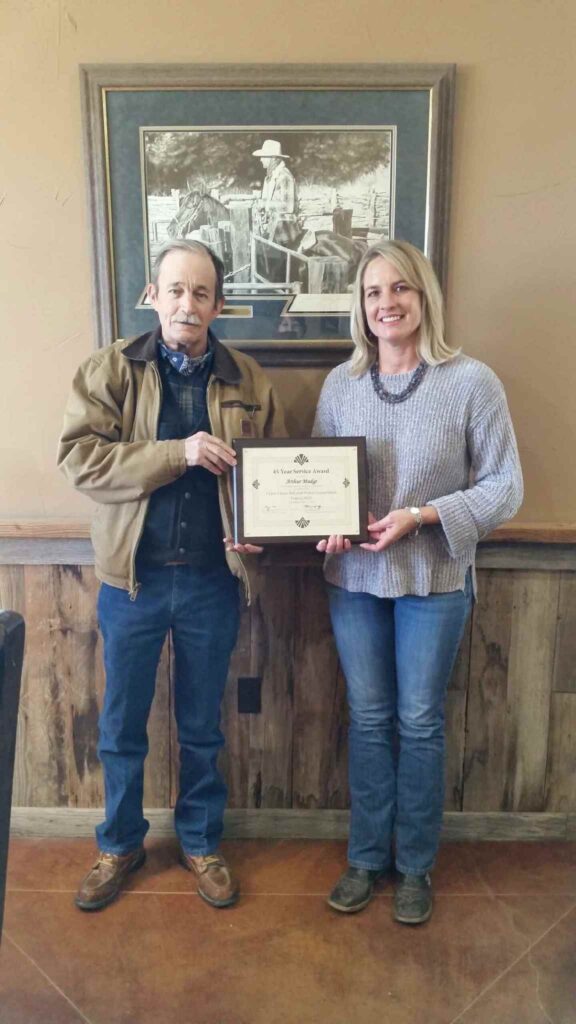
One thing I’m hopeful for in the next decade is that our young people will recognize the value of food independence. I am encouraged by the number of people growing their own food and taken an interest in where their food comes from. To maintain food independence as a country, we must take care of our natural resources. A country that depends on others for its food is no longer truly independent.
If I had to choose, I’d take a vacation in the mountains because I have seen very few mountains and am intrigued by their sheer size. I don’t believe my “climatization” would allow me to live there, but I would certainly visit.
A favorite quote I return to is “Success is not final, failure is not fatal: it is the courage to continue that counts.” — Winston Churchill
Ask me about meeting SWCDs where they are to help them achieve their goals. There is no magic wand or recipe. It takes time, communication, and relationships. Each district is unique; each has something to offer.