When a North Carolina landowner needed help addressing a severely eroded cattle trail, Michaelyn “Mikey” Woodie faced a challenge many conservation professionals encounter early in their careers.
The problem needed attention, but Woodie, a natural resource conservationist with the Wilkes Soil and Water Conservation District in Wilkesboro, North Carolina, had never designed a stock trail before.
Instead of starting from scratch, she reached out to a mentor she had met through a North Carolina conservation training program. Together, they developed a solution that addressed the erosion problem and helped the landowner move forward.
For North Carolina conservation leaders, that single interaction represents something larger: a workforce-development system designed to build technical expertise, professional capability and long- term conservation capacity.
As experienced conservation professionals retire and conservation challenges grow more complex, state leaders believe one of the best investments they can make is in the people responsible for delivering conservation on the ground.
“We’ve really tried to be more strategic in understanding what the needs of soil and water district staff are and what their needs are in terms of professional growth,” said Brandy Myers, Training Program Coordinator with the North Carolina Division of Soil and Water Conservation. “We want to educate, empower and engage.”
That philosophy has guided the development of a statewide workforce-development system centered on conservation planning, mentoring, Job Approval Authority (JAA) and continuing education.
“We rely on district staff at the local level to implement our programs,” said Josh Vetter, Environmental Services Section Chief with the division. “Our programs do not exist without soil and water conservation district staff. In order to be effective at implementing our programs, we need well-trained, competent staff at the local level.”
The current workforce-development effort began taking shape around 2021, when the division broadened its focus beyond technical training to a more comprehensive approach to professional development.
“Conservation planning is the foundation of everything that we do,” Vetter said. “At its heart, it’s really a natural resource problem-solving process.”
For Myers, effective workforce development means more than delivering information in a classroom.
“We want them to engage in the curriculum and with each other and build community,” she said. “We also want to empower them, build confidence and critical-thinking skills so they can take their own education and professional development into their own hands.”
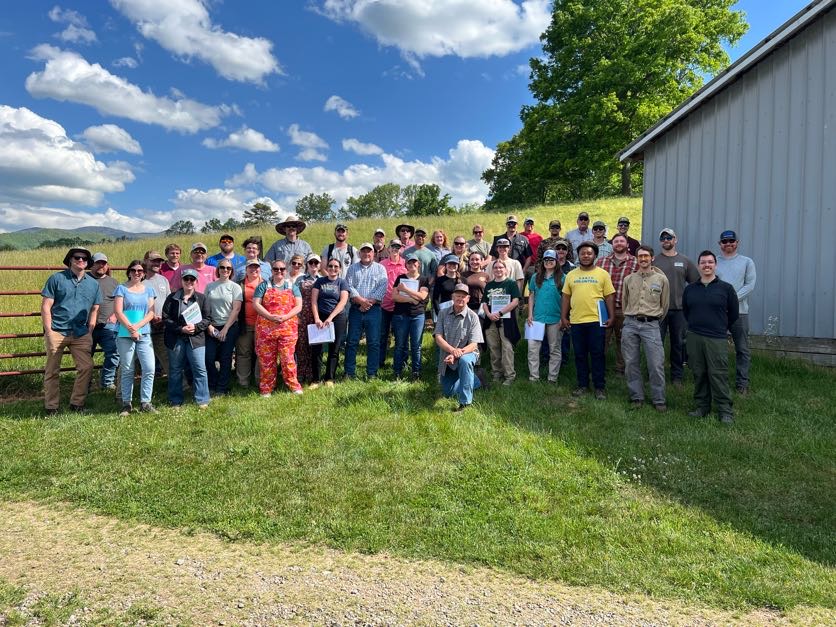
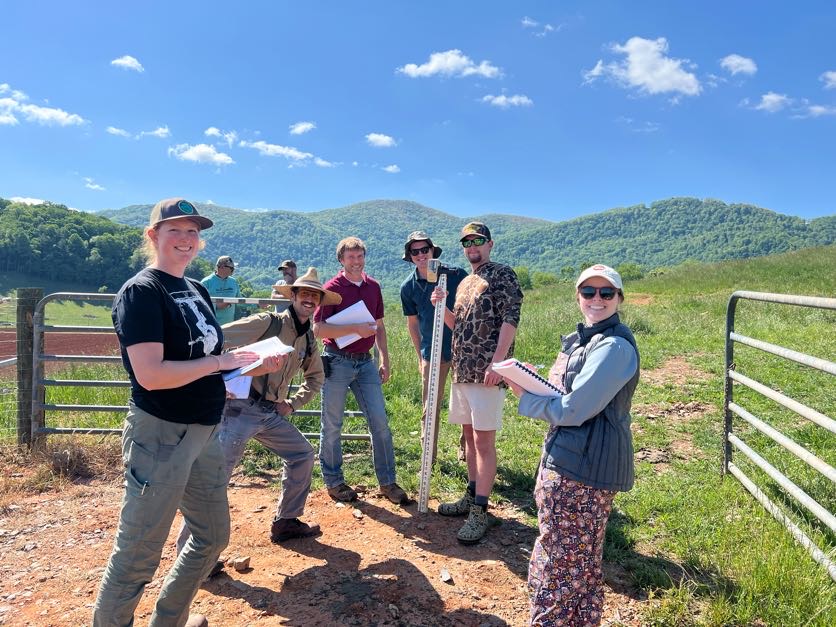
North Carolina reinforces those skills through its Fundamentals of Conservation Planning program, which combines classroom instruction, field experience and peer learning. While conservation planning provides the framework, North Carolina’s workforce-development system extends well beyond a single training course.
The state also maintains a Job Approval Authority program that helps employees demonstrate technical competency and advance professionally.
“It acts as quality assurance for us,” Vetter said. “We know that individuals who have been granted Job Approval Authority have demonstrated the technical competency needed to plan, design and install practices through our programs.”
“The certification is great,” Vetter said. “But what’s really important is the process that leads up to that certification. That’s where confidence is built.”
Woodie’s career reflects the progression North Carolina hopes to foster—from learner to practitioner to mentor. She has participated in the Fundamentals of Conservation Planning program twice, earned JAA and served as an Early Career Mentor.
“The Fundamentals of Conservation Planning training offered by the North Carolina Division of Soil and Water Conservation had a significant impact on my early professional development and career,” Woodie said. “It shifted my understanding of conservation planning and helped me view it as an adaptive and dynamic process, not just a step-by-step workflow. That shift helped me write more effective conservation plans. I was also able to connect with mentors from across the state, which helped me build a network of support that I still utilize today.”
“Shortly after, a landowner asked me to help him with a severely eroded cattle trail on his farm. I reached out to a mentor I met at the training who helped me create a stock trail design for the farmer.”
The experience provided skills she can now apply toward earning additional Job Approval Authority certifications and addressing similar conservation challenges.
“When I attend training or spend time with mentors, I learn new skills that enable me to offer better technical advice and cut down on project timelines,” she said. “That knowledge helps build trust between landowners and me, which drives the effectiveness of conservation plans.”
Mentoring has become an increasingly important part of North Carolina’s workforce strategy.
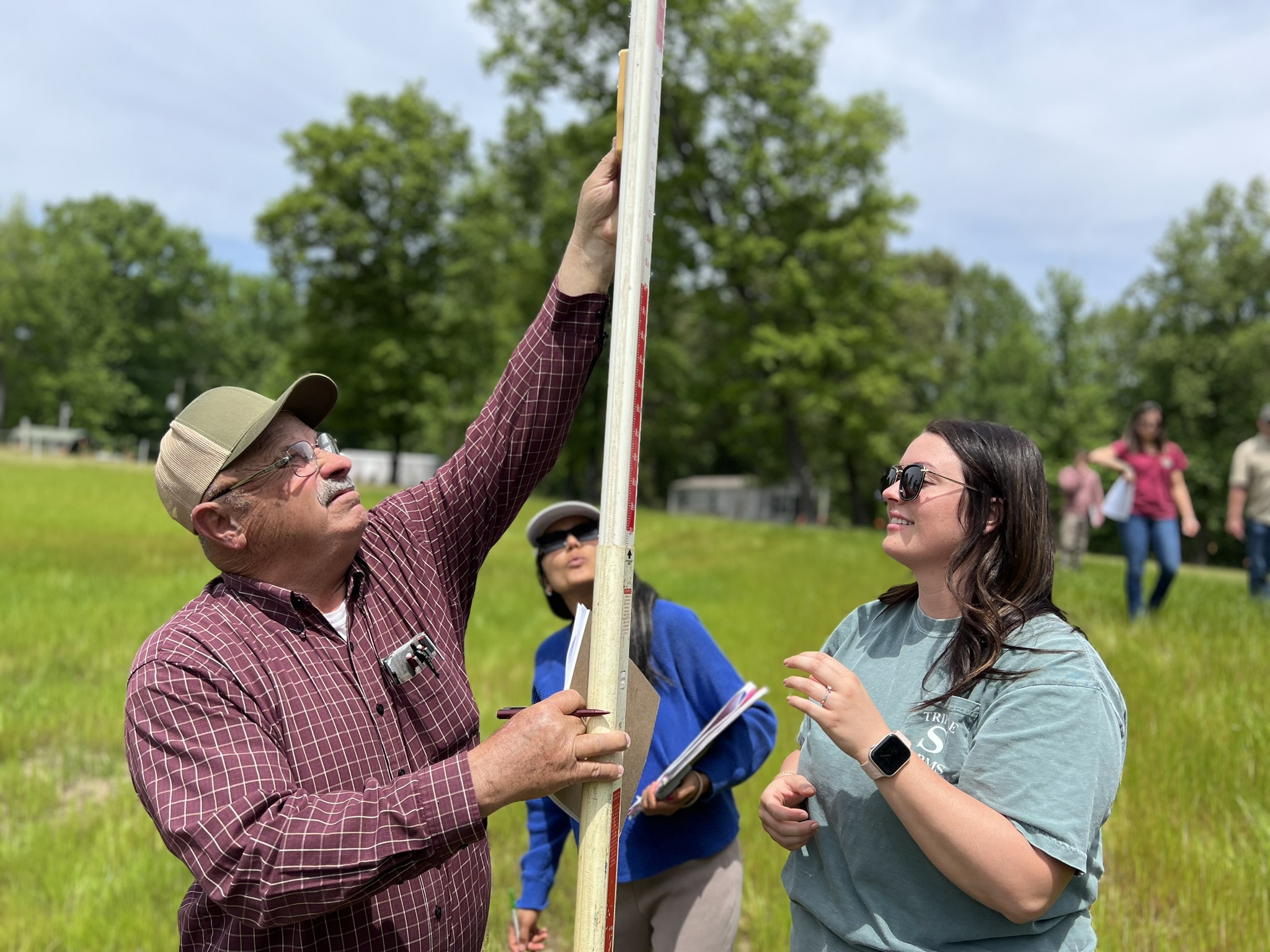
For Myers, mentoring provides something that formal training cannot.
“Adults learn through experience,” she said. “There’s a sense of meaning-making when you can do it with somebody else.”
“It’s been eye-opening to see the benefit not just to the mentee, but also to the mentor,” Vetter said.
Woodie has since come full circle, recently serving as an Early Career Mentor.
“Recently, I’ve had the opportunity to grow even further as a conservation professional by serving as a mentor at the Fundamentals of Conservation Planning training,” Woodie said. “It was incredibly rewarding to pay it forward and help new district employees, and the experience of sharing my knowledge with others really built my confidence as a professional.”
“When people are learning through building those relationships and sharing stories, those are hidden learning opportunities,” Myers said. “People often take just as much, if not more, from those conversations as they do from a PowerPoint presentation.”
The ultimate goal is better conservation outcomes.
“The more confident and well-trained you are, the better you are at working through the process with landowners,” Vetter said. “The more impact you can have getting conservation on the ground.”
Many employees who participated in training programs are now serving as mentors, helping transfer knowledge and experience to the next generation of conservation professionals.
“I think a lot of problems can be solved through better training and having better-trained staff,” Vetter said.
Woodie agrees.
“I want conservation professionals in other states to know that the investment in people is worth it,” she said. “North Carolina excels in providing professional-development opportunities that are not just about checking boxes but instead are truly tailored to the individual. When one of us grows professionally, we all do, and the landowners and producers we work with benefit from that growth every day.”
For Myers, the success of North Carolina’s workforce-development system is ultimately reflected in the people who emerge from those experiences prepared to lead, mentor others and help landowners address conservation challenges.
“If everyone contributes a little bit, then we’re doing it collectively,” she said. “We can all share lessons, stories and teachable moments.”
That commitment to educating, empowering and engaging conservation professionals has become the cornerstone of North Carolina’s strategy for building conservation capacity—one person, one relationship and one landowner at a time.