Trey Lam, Executive Director
Oklahoma Conservation Commission
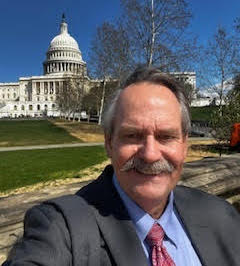
My Bio: I am the child of Dust Bowl parents, born and raised on an alfalfa, corn, soybean and wheat farm in Southern Oklahoma. I left home and attended Yale University, graduating with a B.A. in 1982. After three years as a commodity merchant with Cargill, I realized I wanted to return home, where for 30 years I farmed alongside my father. I also became a second-generation conservation district director. In 2014, the Oklahoma Conservation Commission was searching for a new agency head. Somehow, they settled on me.
The best advice I would give to someone starting out in conservation is to remember it’s not just a job. What you will be doing matters today and for decades and centuries to come. When the work gets difficult, and your career path seems cloudy, know you’re in the right place, doing the right thing. Conserving, protecting and restoring the soil and water is not a project or a task; it’s a lifelong commitment that requires dedication and passion. You’re not the first to take up the cause. Know you will leave this a better place than you found it.
The best music concert I attended was in 1977, when a friend and I went on a double date to a Steve Miller Band show. My friend almost got assaulted and our dates went home with someone else. But the band put on a great show.
Fifty years from now, the greatest advancement in natural resource conservation will be healthy, biologically-active soils growing nutritious food, reducing runoff while recharging aquifers with clean water, thus preventing erosion and flooding. This will be the norm.
Mountains or the beach? Beach. I have always aspired to run a bar on the beach and live in a shack. It’s too cold in the mountains.
Strong partnerships require respect and trust. Also a clear understanding of each partner’s roles and responsibilities. Ongoing communication is another ‘must’ for success.
Ask me about building relationships with decision makers. From district board members, state legislators and congressional staff, these relationships take time and patience. Just like partnerships, you have to establish trust and show your value. Many times, without a good personal relationship, a great project designed to meet a critical need may not be supported or funded. And often people change roles in elected offices. Respecting and appreciating people at all levels can pay dividends later.
Learn more about Trey