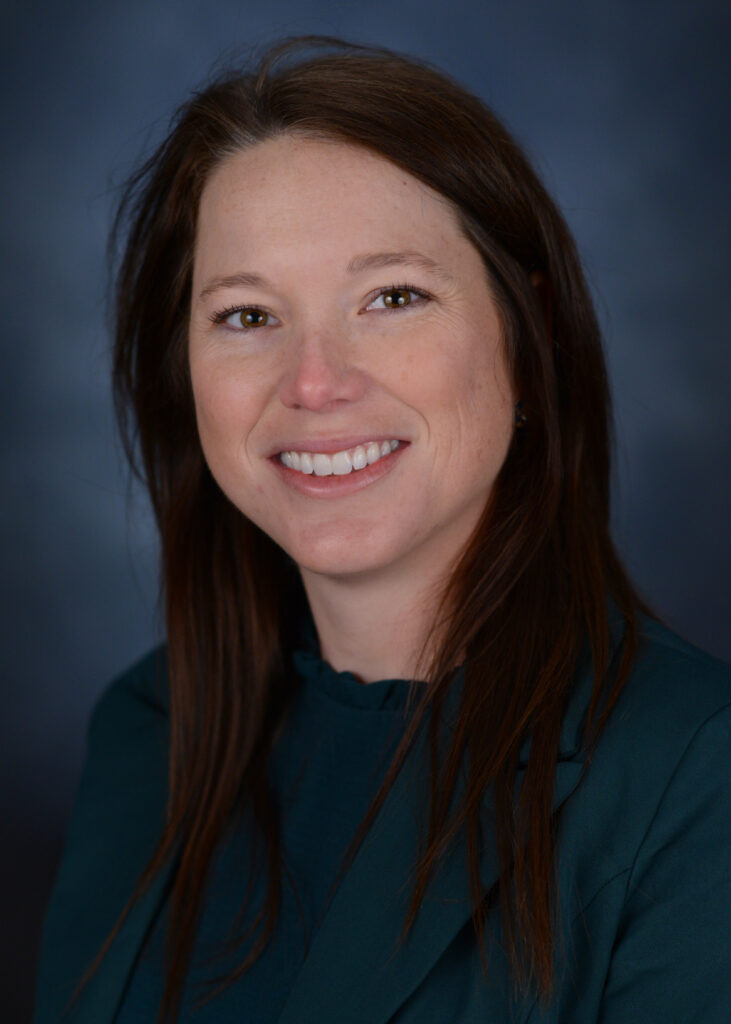
Caitlin Joubert
Agricultural Environmental Specialist
Louisiana Department of Agriculture and Forestry – Office of Soil and Water Conservation
My Bio: I grew up in the small town of Ponchatoula, Louisiana. My mom and dad raised my three sisters and I outdoors, usually on muleback, trail riding with friends. My love for the outdoors, agriculture, and animals grew, leading me to join the FFA in high school. While in FFA, I won state with our horse judging team, participated in multiple leadership conferences and trainings, and even served as a chapter and state FFA officer. I credit my public speaking and leadership development to my ag teachers; both of whom grew our chapter into a national award-winning chapter and never let me sit back when an opportunity for personal development arose.
After high school, I attended Louisiana State University (Geaux Tigers!) and majored in Animal Sciences. After graduation, I took on my first job with the Louisiana Department of Agriculture and Forestry’s Office of Soil and Water Conservation (LDAF-OSWC) doing what I do now. When I married my husband Dustin in 2016, we moved to his hometown of Jennings, where unfortunately, there was no possible relocation for my job, ending my short stint with the OSWC. Upon leaving, I worked as a meat inspector in slaughterhouses, then opened an embroidery and sewing shop in our hometown. When the world turned upside down in 2020, my husband and I made the decision to shut down the shop. Luck was on my side, and soon after, I was offered a position with my original crew at the LDAF-OSWC, where I have been since.
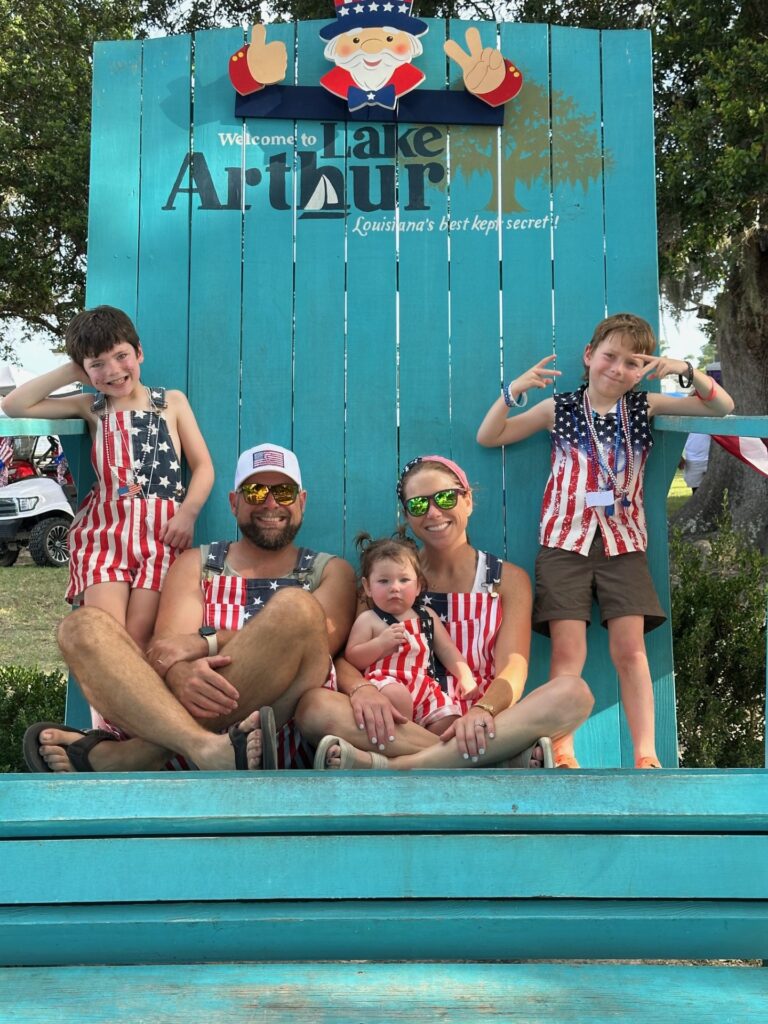
Dustin and I are the very proud parents of two boys, Rhett and William, and a little girl, Avery. You can find us cruising on our party barge or side by side or chilling lakeside at our camp, watching black-bellied whistlers not-so-majestically climb into our wood duck boxes!
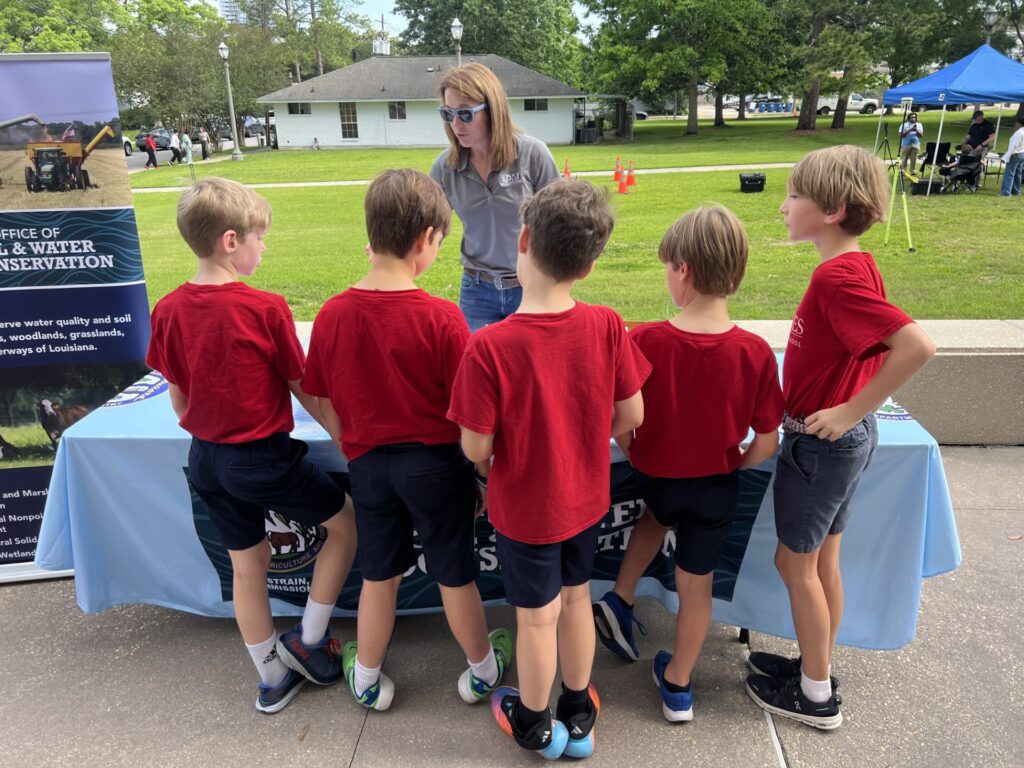
In my position, I like to consider myself our outreach and education go-to girl! My office works with Louisiana’s 44 Soil and Water Conservation District (SWCD) boards and employees to help with district outreach, grants, implementation of special projects and more. I also currently serve as the state coordinator for Louisiana Project Water Education Today (WET) and travel throughout the state to promote water science education and conservation to educators and students!
In hindsight, one experience in my career I wish I had the chance to revisit would be my first two years on the job. I had just graduated from college and knew I liked what I was doing, but some days, I think I just went through the motions. I would love to go back with a better understanding that this job could become my career! There were so many people who helped me in those first years, and I’d love to have asked more questions and paid more attention to the finer details. I’ll forever be grateful for the opportunity to work where I am and thoroughly enjoy the friendships and connections I have made over the years.
A partnership that has taught my organization a great deal would be the relationships we have developed with community stakeholders. I’ve never been more amazed by the generosity of our community members. Recently, a local SWCD board reached out to our office with a proposal for a grant application. Once we realized the potential of the grant and how beneficial it would be for local producers, the board members jumped into action and invited district cooperators to assist with details, timelines, proposed tasks and goals. These cooperators provided insight and feedback and assisted with the final review before the grant’s submission. And it’s not only our producers who step up to the plate. Our school boards, educators and school clubs are no strangers to their local SWCDs and have continued to be a huge part of their success with district-led Water Festivals. Water Festivals reach anywhere from 100 to 400 students a day, and planning an event that large takes a lot of time, patience and volunteers. School board leaders reach out to their local districts every year, initiating the planning, date selection and arrangements for students to attend these Water Festivals. Educators and school clubs lead students to each station throughout the day, while volunteers from local, state and federal agencies, as well as universities and conservation organizations, lead activities at each station. The success of these SWCDs stems from the awesome partnerships they have created and maintained.
A conservation issue I believe deserves more public attention would be the public perception of water conservation. While most of us understand the message “Save the Water” and can easily cite best management practices carried out in our homes — turning off the faucet, fixing leaking pipes, updating appliances, etc. — there is little to no discussion of what happens when the water leaves our homes and properties.
When we talk about conservation, I want people to understand it’s not just about limiting our use — it’s about managing water both before and after we use it. I once read that “we all live downstream,” and that couldn’t be truer. As water moves through the water cycle and our watersheds, the water leaving our property inevitably flows into someone else’s. Recognizing that connection is essential to protecting our shared water resources.
One part of my job people might not expect is the creative freedom I have when it comes to outreach opportunities. With the help of our communications team at LDAF, the Office of Soil and Water Conservation is cultivating a series of publications and videos that highlight our SWCDs, their cooperators and our partners, all working together to promote the implementation of agricultural best management practices on working lands. We have contracted with a film crew and traveled the state to film everything from coastal marsh plantings in the southeast to silvopasture operations on the western side of the state. Our Good Lands series has given us the opportunity to share the work our farmers are doing every day and give them the recognition they deserve for protecting and sustaining our natural resources.
Another opportunity we have created is the purchase of a custom mobile agricultural education classroom. This 28-foot cargo trailer is currently under construction and will feature self-guided stations with touch screens, 3D display models, animal pelts and a virtual reality game. This mobile classroom will be used statewide at schools, field days, outreach events and more.
My dream travel destination is any beach with white sand, crystal blue water, my husband and a cold beer in my hand! We took a kid-free trip this year for our 10th anniversary. We both caught the stomach bug but still had a blast driving our party barge to Crab Island to meet up
with other duck-hunting enthusiasts for the annual Duck Boat Run.
One thing I never order from a menu is soft drinks because I don’t like carbonation. I like water, lemonade and ice-cold beer!
Ask me about the LSU Ag Leadership Program that I’m currently participating in! This two-year program has given me the opportunity to travel across Louisiana, as well as to Idaho and Washington, D.C. Throughout the program, Class XIX (our current class) is learning all about Louisiana agriculture and exploring how we can become stronger advocates for our producers and industries. We will conclude the program with an international study trip to Brazil in January 2027. I’ve gained so much through this program and would love to help others discover similar opportunities in their own states.